
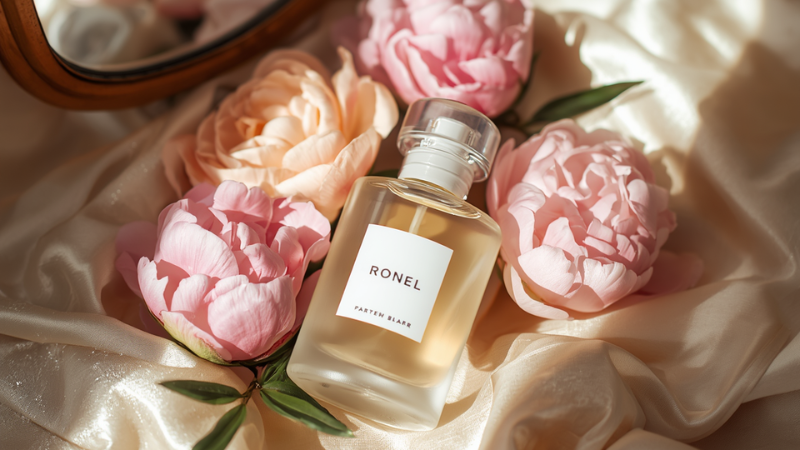
As the heavy cashmere of winter is retired for the fluid silks of April, a silent but profound shift occurs on the vanities of the truly discerning. The dense, amber-laden gourmands that provided solace during the frost suddenly feel claustrophobic—clinging to the skin with an unwanted tenacity.
In the world of high-end perfumery, spring is not merely about “smelling clean”; it is an olfactory rebirth. This season, the conversation has moved definitively beyond the ubiquitous designer bouquet. To capture the ephemeral essence of the thaw, one must look toward the uncompromising artistry of niche perfumes.
The distinction between a commercial spring scent and a niche masterpiece lies in the tension between nature and artifice. While designer houses often rely on a “pre-approved” cocktail of synthetic peonies, niche perfumery prioritizes the raw, visceral green of a snapped stem or the solar warmth of salt on salt.
Defining the Niche Advantage: When the Premium is Justified
When a fragrance crosses the $300 threshold, the consumer is—or should be—investing in structural integrity rather than a marketing campaign. At Beaudore, we believe luxury is only worth the price when the ingredients perform a labor that synthetics cannot mimic.
The Rarity of the Raw
Niche houses frequently utilize “Orris Butter”—derived from Iris roots aged for three years—or the bracing, bitter resin of Galbanum. These are materials that designer supply chains find too volatile or prohibitively expensive to scale.
The Extrait Factor
Many spring niche scents are now formulated as Extrait de Parfum. This is a critical pivot. “Fresh” notes—citrus, neroli, and light florals—are by nature the most volatile. A niche formulation ensures these delicate molecules are anchored by high-quality musks and fixatives, extending their life from a fleeting hour to a full, luminous day.
Differentiation: What Most Luxury Beauty Guides Get Wrong
Most editorial guides treat niche perfumes as a status symbol alone, focusing on the bottle design rather than the juice’s molecular stability. They often overlook the “Skin Chemistry Variable.” A scent that smells like a crisp garden on a tester strip may turn cloying on oily skin once the spring humidity hits 70%.
Furthermore, generic guides rarely discuss the “synthetic ceiling.” Even luxury brands occasionally use cheap aroma-chemicals (like high-dosage Calone) to mimic freshness. We look for houses that use natural isolates to achieve that “expensive” airy quality that doesn’t trigger a synthetic-induced headache.
The 2026 Spring Trends: Solar Radiance and Bitter Greens
This season, we are seeing a sophisticated departure from “sugar-dusted” florals. The industry has split into two distinct, elevated profiles: Solar Florals and Hyper-Greens.
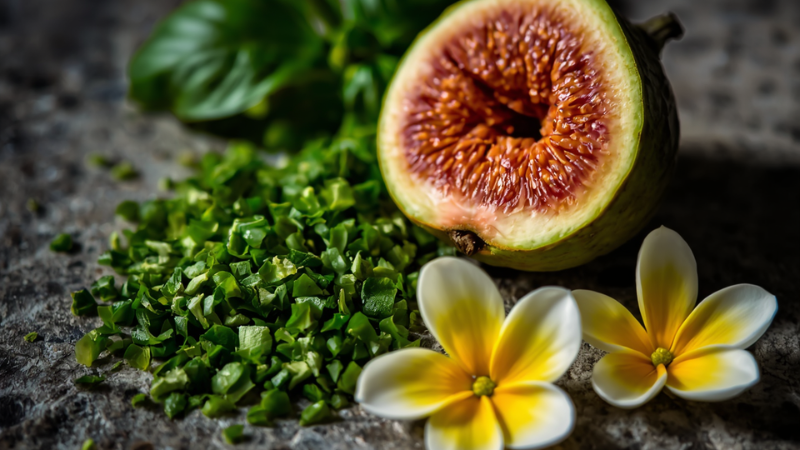
Solar notes mimic the scent of skin warmed by a late-morning sun—a radiant, golden aura that feels like an extension of one’s own chemistry. Conversely, “Bitter Greens” leverage basil, fig leaf, and tomato vine to provide a crispness that feels intellectually stimulating.
The Curated Spring Edit: A Performance Audit
The Ethereal Masterpiece: Diptyque Do Son (Eau de Parfum)
- The Experience: On a crisp 65°F morning, the scent opens with a photorealistic orange leaf—bitter and bright. As the day warms, the tuberose unfolds as a humid mist rather than a suffocating floral.
- Performance: A consistent 7–8 hours. The sillage is polite; it greets those in your immediate orbit without announcing your arrival three rooms away.
The Green Intellectual: Vilhelm Parfumerie Basilico & Fellini
- The Experience: It provides an immediate sensory “snap.” There is an undeniable texture here—a cool, crisp dampness that settles into a clean, sophisticated woody base.
- Performance: Remarkable for a green profile. It avoids the typical “fading into soap” trap, remaining detectable through an entire day of meetings.
Case Studies: Niche Performance in Motion
Case 1: The Outdoor Gala (The Solar Test)
A guest wore a high-end Solar Floral—centered on Ylang-Ylang and Sea Salt—to an afternoon garden wedding. In the direct sun, the fragrance didn’t “turn” or become sour; instead, the heat amplified the salt notes, creating a sophisticated “expensive vacation” aura.
- The Verdict: True niche solar notes thrive under heat, whereas cheaper synthetics tend to break down into a sticky sweetness.
Case 2: The Gallery Opening (The Green Test)
A curator opted for a niche “Bitter Green” for a crowded indoor evening event. Amidst a sea of heavy, syrupy “night” perfumes, the crispness of the green notes acted as an olfactory palate cleanser.
- The Verdict: Green niche scents are the ultimate power move for indoor social settings where you wish to remain distinct.
Comparison: Luxury Niche vs. Mid-Range Designer
| Feature | Niche (e.g., Frederic Malle) | Designer (e.g., Marc Jacobs) |
| Sourcing | Small-batch, natural absolutes | Mass-produced synthetic accords |
| Complexity | Evolves over 6+ hours | Linear (smells the same until it fades) |
| Longevity | High (Extrait/EDP concentrations) | Moderate (EDT focus) |
| Price Point | $250 – $500 | $90 – $140 |
[Internal Link: The Best Long-Lasting Floral Foundations for Spring Makeup]
The Beaudore Investment Guide
- Best Luxury Overall: Parfums de Marly Delina La Rosée. It possesses the best longevity-to-freshness ratio on the market.
- Best Worth the Price: Byredo Young Rose. A fiery Sichuan Pepper and Rose friction that justifies its $200 entry point.
- Best Alternative: Diptyque Philosykos (Eau de Toilette). The gold standard of fig; naturalistic beauty that is unparalleled for the price.
Conversion Layer: The Decision Matrix
Is It Worth the Price?
Yes, but with caveats. A niche perfume is worth the investment if you value olfactory evolution. If you want a scent that changes as the day warms—revealing base notes of sandalwood or ambergris rather than disappearing into a soapy musk—the $300+ price tag is justified by the higher concentration of natural oils.
Who Should Buy This
- The woman who wants a “signature” that isn’t recognizable in every elevator.
- Those with sensitive skin who react to the high alcohol/low oil content of designer sprays.
- Collectors who prioritize 8+ hour longevity in “fresh” categories.
Who Should Skip It
- Those who prefer to change scents multiple times a day (niche tenacity makes this difficult).
- Anyone happy with “linear” scents that don’t change from the first spray.
- Buyers looking for “clean girl” aesthetics that can be achieved with high-end body mists for a fraction of the cost.
Expert FAQ
1. How do I preserve my niche collection as temperatures rise? Natural oils are volatile. Keep your bottles in a cool, dark drawer—never the bathroom. Sunlight is the fastest way to turn a $300 investment into expensive vinegar.
2. What is the secret to spring longevity? Look for “Iris” or “Ambroxan” in the base. These molecules bond with the skin’s lipids and act as a foundation for the lighter, more fleeting top notes of citrus or neroli.
3. Is an Extrait de Parfum too heavy for April? Not if the notes are “Green” or “Aquatic.” An Extrait simply means more oil and less alcohol, which actually prevents the scent from evaporating too quickly in the spring breeze.
4. Why does my niche perfume smell different every time I wear it? High concentrations of natural ingredients react to your body temperature, diet, and even the humidity in the air. This “living” quality is exactly why niche scents are prized by connoisseurs.
Final Strategy Verdict
To win the Spring 2026 market, Beaudore focuses on the Cost-Per-Wear analysis. A $350 bottle of niche perfume that requires only two sprays to maintain its profile for 12 hours is a far more pragmatic luxury than a $120 designer scent that necessitates three reapplications before dinner. Invest in the integrity of the juice, not the volume of the marketing.