
In an era of mass-produced “luxury,” the discerning nose seeks something beyond the reach of a marketing budget. True prestige in 2026 is found in the rare notes that define the world of high-end perfumery. These are the ingredients that cannot be synthesized in a lab or scaled for a global mall launch. When you choose a niche fragrance, you aren’t just buying a scent; you are investing in a biological rarity—materials that require years of aging, specific geographical climates, and labor-intensive extraction. Understanding these components is the first step in moving from a casual consumer to a true fragrance connoisseur.
Beyond Marketing: The True Cost of Olfactive Rarity
The difference between a $50 commercial scent and a $500 luxury fragrance often comes down to the raw materials. Mass-market brands rely on “accords”—synthetic reconstructions that mimic the smell of expensive ingredients. However, these synthetics lack the “breath” and evolution of natural extracts. A high-quality signature scent built on rare materials will interact with your skin chemistry to create a living, changing aura that lasts throughout the day. This complexity is what creates that “unplaceable” quality people notice when you walk into a room.
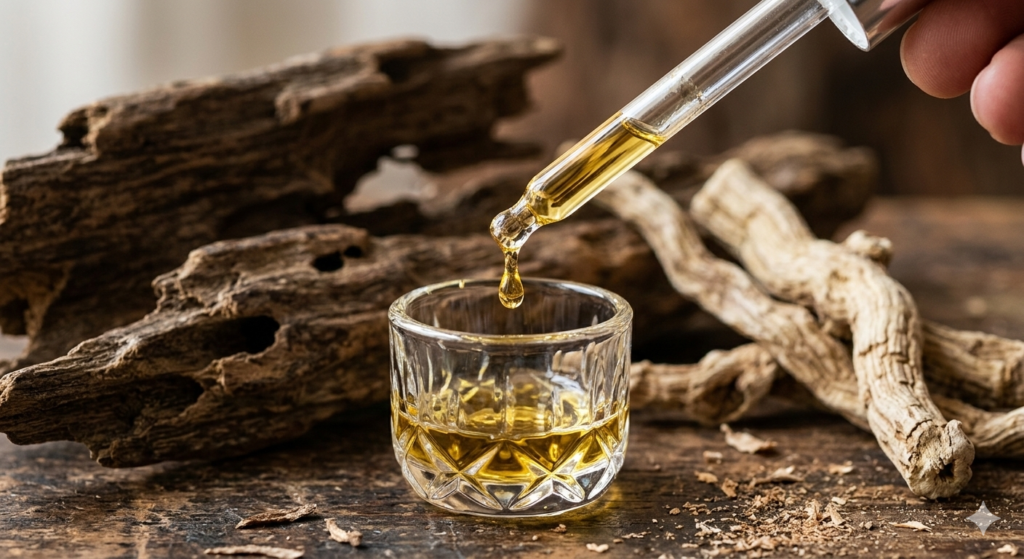
The Magnificent Seven: Rare Notes That Define “Niche”
To build a sophisticated fragrance wardrobe, you must recognize the “Gold Standard” ingredients of the niche perfume discovery journey. Here are the seven notes that command the highest respect in 2026:
| Rare Note | The Process | The Sensory Experience |
| Orris Root (Iris) | Aged for 3–5 years before extraction. | Buttery, powdered, “old money” elegance. |
| Real Oud (Agarwood) | Resin formed only by infected ancient trees. | Deep, animalic, smokey, and authoritative. |
| Ambergris | Oxidized at sea for decades. | Saline, mineral, and incredibly skin-like. |
| Boronia | Found only in Western Australia; low yield. | Rare floral with raspberry and hay undertones. |
| Haitian Vetiver | Harvested from deep roots in volcanic soil. | Earthy, green, and intensely “grounded.” |
| Tuberose Absolute | Thousands of hand-picked blossoms for 1kg. | Creamy, narcotic, and unapologetically bold. |
| Mysore Sandalwood | Strictly regulated, decades-old trees. | Milky, smooth, and spiritually calming. |
The Invisible Chemistry: Why Rare Notes Evolve Differently
One of the most pressing user needs for fragrance collectors is understanding why a scent smells different on them than on a blotter. This comes down to the molecular weight of natural extracts. Synthetic molecules are often lighter and “shout” immediately, only to disappear within an hour. Rare natural notes are heavier and more complex; they hook into your skin’s lipids. As your body temperature fluctuates, these notes “bloom,” revealing different facets of the perfume over 8 to 12 hours. This is the hallmark of luxury fragrance performance.
Investing in Scent: Building Your Curated Wardrobe
If you are looking to define your presence in 2026, stop chasing the “top notes.” Instead, focus on the base. A fragrance centered around Orris Root or Real Oud is a long-term investment in your personal brand. These scents don’t just “fade away”; they become part of your identity. When building your collection at Beaudore, look for fragrances that list these rare materials not as marketing buzzwords, but as the foundational pillars of the composition.
FAQ: Navigating Rare Fragrance Ingredients
Q: Why is Orris Root more expensive than gold? A: It’s about time. After the Iris plant grows, the roots must be dried and aged for three to five years to develop the “Irones”—the molecules responsible for that luxurious scent. Only then can it be distilled into “Orris Butter.”
Q: Can I tell if my fragrance uses real Oud or a synthetic version? A: Real Oud has a “three-dimensional” quality—it feels warm, slightly “dirty” in a sophisticated way, and changes significantly on the skin. Synthetics tend to stay flat and “rubbery.” For those interested in the ethical sourcing of these precious woods, the Convention on International Trade in Endangered Species (CITES) provides strict regulations on how Oud is legally and sustainably traded globally.
Q: Do rare ingredients guarantee longer longevity? A: Generally, yes. Rare resins, woods, and animalic notes have larger molecules that evaporate much slower than the citrus or floral notes found in cheaper perfumes.