
There is a particular moment that many women over 40 recognise: the one where they realise their skin is managing several concerns simultaneously and no single product addresses all of them. Dark spots from sun exposure. A low-level redness that has developed gradually — perhaps around the nose and cheeks — that wasn’t there at 35. Post-blemish marks that linger far longer than they used to. A general unevenness that makes the skin look tired even when it isn’t.
The instinct is to layer more products, each targeting a different concern. A brightening serum for the dark spots. A calming product for the redness. A retinol for the overall quality decline. By the time four actives are competing for the same skin surface, the barrier is compromised and none of them is functioning at its best.
Azelaic acid exists in a category almost by itself: a single ingredient that addresses dark spot formation, inflammatory redness, post-blemish marks, and mild surface renewal simultaneously — through four distinct and well-documented biological mechanisms. For mature skin managing the overlapping concerns that accumulate after 40, understanding azelaic acid benefits properly changes what products are worth prioritising. This is that guide.
Key Takeaways
- Azelaic acid operates through four simultaneous mechanisms: selective tyrosinase inhibition (reducing dark spot melanin production), antibacterial activity (against acne-causing bacteria and the yeast driving fungal folliculitis), anti-inflammatory activity (reducing redness, flushing, and the inflammatory signalling that triggers post-inflammatory pigmentation), and mild keratolytic activity (gentle surface renewal). No other single over-the-counter ingredient matches this combination.
- A comprehensive pharmacological review published in PMC (2024) confirmed that azelaic acid’s tyrosinase inhibition is selective — it targets hyperactive melanocytes in dark spots without affecting normally functioning melanocytes in surrounding skin. This selectivity produces dark spot fading without overall skin lightening, making it the most precisely targeted brightening ingredient available OTC.
- In the United States, azelaic acid at 15% is FDA-approved for rosacea at prescription strength. A randomised clinical trial (PMID 14623704) demonstrated comparable efficacy to metronidazole — a standard prescription antibiotic — for papulopustular rosacea. At 10% OTC, the clinical evidence base remains strong, with emerging research suggesting nanoformulation technology may achieve comparable efficacy to 20% prescription strength at lower concentrations.
- For mature skin specifically, azelaic acid addresses two concerns that become increasingly prevalent after perimenopause: rosacea (which increases in incidence and severity as oestrogen declines) and post-inflammatory hyperpigmentation (which persists longer in skin with a 45–60 day cellular turnover cycle). Both concerns are simultaneously addressed by a single ingredient — making it the most strategically valuable multi-tasker for the 40+ skin profile.
- Azelaic acid is safe in pregnancy — one of the few active brightening and anti-inflammatory ingredients with this safety profile. For women managing skin concerns during pregnancy who cannot use retinoids, high-concentration L-ascorbic acid, or certain other actives, azelaic acid provides meaningful brightening and anti-inflammatory activity with an established safety record.
What Is Azelaic Acid — The Science Behind the Ingredient
Azelaic acid is a naturally occurring dicarboxylic acid found in grains — wheat, barley, and rye — where it is produced by a skin-surface yeast, Malassezia furfur, as part of the grain’s microbial environment. This origin is somewhat ironic given that Malassezia is also one of the microorganisms that azelaic acid inhibits.
In skincare, azelaic acid (abbreviated AzA) is used at concentrations ranging from 5% (cosmetic formulations) to 20% (prescription strength). Its pharmaceutical grade is a synthesised compound chemically identical to the naturally occurring acid. It is water-soluble, which affects both its penetration profile and the formulation types that deliver it most effectively.
Why water-solubility matters for mature skin: Unlike oil-soluble actives (retinol, salicylic acid) that penetrate through lipid layers, water-soluble azelaic acid works primarily at the aqueous compartment of the skin — at the melanocyte level in the epidermis and at the surface of the follicular opening. This means it does not require an intact lipid barrier for effective delivery, and it does not disrupt the lipid matrix the way oil-soluble actives can. For mature skin with a more fragile barrier, this is a meaningful tolerability advantage.
A 2024 comprehensive pharmacological review published in PMC (PMC10809820) documents that topically applied azelaic acid penetrates all layers of the skin, with absorption varying between 3% (ointment/emulsion formulations) and 8% (gel formulations) of the administered dose. This penetration profile — moderate and controlled — contributes to its favourable safety and tolerability record across decades of clinical use.
Azelaic Acid Benefits — The Four-Mechanism Framework
Understanding why azelaic acid addresses so many concerns simultaneously requires understanding its four distinct biological mechanisms — each operating through a different pathway.
Mechanism 1: Selective tyrosinase inhibition
Tyrosinase is the rate-limiting enzyme in melanin synthesis — it catalyses the conversion of L-tyrosine to L-DOPA, and subsequently to dopaquinone, which polymerises into melanin. Azelaic acid competitively inhibits tyrosinase through direct enzyme interaction, reducing the rate of melanin production.
The critical word is selective. Unlike some brightening agents that reduce melanin production uniformly across the skin, azelaic acid preferentially inhibits hyperactive melanocytes — the overactivated cells responsible for concentrated dark spots — while having significantly less effect on normally functioning melanocytes in surrounding skin. This selectivity is documented in the PMC pharmacological review: dicarboxylic acids do not affect normal skin melanocytes, only abnormally active ones.
The practical implication: azelaic acid fades the dark spots you can see without creating an overall blanching or uneven lightening effect in the surrounding skin. This precision is what makes it particularly appropriate for mature skin where pigmentation is often localised (sun spots, post-blemish marks) rather than diffuse.
Mechanism 2: Antibacterial and antifungal activity
Azelaic acid creates an inhospitable environment for Cutibacterium acnes (formerly P. acnes) — the primary bacterium implicated in inflammatory acne — and for Malassezia furfur, the yeast responsible for fungal folliculitis (small bumps often mistaken for acne). This dual antibacterial and antifungal activity is what gives azelaic acid its effectiveness against two types of breakouts that respond to very different interventions.
For mature skin, the relevance here is specific: hormonal fluctuations during perimenopause can trigger acne-like breakouts alongside the skin changes of declining oestrogen. Azelaic acid addresses the bacterial component of these breakouts without the drying effect of benzoyl peroxide or the barrier disruption of high-concentration salicylic acid — making it more appropriate for barrier-sensitive mature skin.
Mechanism 3: Anti-inflammatory activity
Azelaic acid inhibits several inflammatory pathways — including neutrophil generation of reactive oxygen species (ROS) and pro-inflammatory cytokine signalling. This anti-inflammatory activity has two important consequences for mature skin:
First, it directly reduces the redness and flushing associated with rosacea, which increases in prevalence and severity after menopause as oestrogen’s anti-inflammatory influence on skin diminishes.
Second, it interrupts the inflammatory cascade that triggers post-inflammatory hyperpigmentation (PIH). When skin becomes inflamed — from a blemish, a minor wound, or an irritant reaction — the inflammation activates melanocytes as part of the healing response, producing the dark marks that persist after the initial event resolves. Azelaic acid addresses the PIH mechanism from two directions: inhibiting the tyrosinase that produces the melanin, and reducing the inflammatory signalling that triggers the melanocyte activation in the first place.
Mechanism 4: Mild keratolytic activity
At higher concentrations and with consistent use, azelaic acid provides mild keratolytic activity — gently loosening the bonds between accumulated surface skin cells. This is a subtler exfoliation than AHAs, appropriate for skin that needs surface renewal support without the pH-sensitive irritation that glycolic acid can produce in reactive or barrier-compromised mature skin.
Azelaic Acid for Dark Spots — Why It Works When Others Don’t
The most common frustration with dark spot treatment is the slow timeline and the risk of making things worse. Many brightening actives can trigger a purge-like response, or produce irritation-driven inflammation that activates melanocytes — worsening the very pigmentation being treated.
Azelaic acid avoids this trap through its selective mechanism and its anti-inflammatory properties. Because it targets hyperactive melanocytes without generally irritating the surrounding skin, it does not trigger the reactive melanogenesis that aggressive actives (high-concentration glycolic acid, certain retinoids during the adjustment phase) can produce.
For solar lentigines (sun spots): Azelaic acid reduces melanin production in the concentrated, hyperactive melanocytes that characterise established sun spots. At 10–20%, with 8–12 weeks of consistent use, clinical evidence documents measurable lightening of solar lentigines — with the 20% prescription strength showing efficacy comparable to hydroquinone in controlled trials.
For post-inflammatory hyperpigmentation (PIH): This is where azelaic acid has the most significant advantage over other brightening actives. By simultaneously inhibiting tyrosinase (reducing melanin production) and suppressing the inflammatory signalling that activates melanocytes (reducing the production signal), it addresses PIH from both directions. For mature skin where PIH from minor skin events persists for months rather than the weeks it takes younger skin to clear, this dual action is particularly valuable.
For melasma: Azelaic acid at 20% has been documented in controlled trials to show efficacy comparable to hydroquinone for melasma — with a better safety profile (no risk of ochronosis, appropriate for extended use, safe in pregnancy). For mature skin managing melasma alongside other pigmentation concerns, it is one of the most appropriate long-term management ingredients available OTC.
For the complete framework of mature skin pigmentation — including how to distinguish solar lentigines, PIH, and melasma and which actives address each most effectively — see our article on how to brighten skin [→ /how-to-brighten-skin/].
Azelaic Acid for Rosacea — Why It Works When Others Don’t
Rosacea management presents a particular challenge in skincare routines because many actives that address other concerns — high-concentration retinoids, vitamin C at low pH, AHAs above certain concentrations — can trigger rosacea flares. The anti-inflammatory requirement of rosacea-prone skin conflicts directly with the irritation potential of most active ingredients.
Azelaic acid resolves this conflict. Its anti-inflammatory mechanism directly reduces the redness and papulopustular component of rosacea, while its tolerability profile — significantly less irritating than most actives at comparable potency — means it does not trigger the reactive flushing that others cause.
The clinical evidence is substantial. A randomised clinical trial (PMID 14623704) demonstrated that azelaic acid gel is comparable in efficacy to metronidazole — a standard prescription antibiotic for rosacea — for papulopustular rosacea. This is a benchmark finding: an OTC-accessible ingredient performing equivalently to a prescription antibiotic in a controlled head-to-head trial.
A 2025 comprehensive pharmacological review (PMC12472904) further confirmed that 15% azelaic acid gel produced clinically meaningful improvements in papule and pustule counts and erythema scores, with negligible systemic exposure and a tolerability profile that makes it appropriate for long-term maintenance use.
The perimenopause rosacea connection: Rosacea frequently worsens during perimenopause — the hormonal fluctuations of this transition are documented triggers for rosacea flares in women with an underlying rosacea predisposition. As oestrogen declines, its anti-inflammatory moderating effect on skin vasculature diminishes, and facial flushing and persistent erythema become more frequent. For women managing new or worsening rosacea alongside the other skin changes of perimenopause, azelaic acid is the most appropriate active to prioritise: it addresses the rosacea directly while being safe for the barrier-sensitive, reactive skin that characterises this transition.
Editor’s note: If you have rosacea that has worsened significantly in your 40s, it is worth knowing that this is not coincidental — it is a documented hormonal pattern. Azelaic acid manages the surface presentation; a dermatologist consultation is warranted for moderate-to-severe rosacea or when the condition is progressing despite topical management.
Azelaic Acid Serum — How to Choose the Right Formulation
The formulation vehicle for azelaic acid significantly affects its efficacy and tolerability — more so than for most other skincare actives.
Concentration:
10% OTC: Widely available without prescription. Clinical evidence supports meaningful efficacy for dark spots and rosacea at this concentration. Emerging nanoformulation research (PMC12472904, 2025) demonstrates that 10% azelaic acid in nanostructured lipid carrier systems can achieve melanin inhibition rates (55.8%) and tyrosinase activity inhibition (28.3%) comparable to 20% conventional formulations — suggesting that advanced delivery technology in premium OTC formulations may narrow the efficacy gap significantly.
15%: Available OTC in some markets, prescription in others. This is the FDA-approved concentration for rosacea in the US. Represents a meaningful step up from 10% for both pigmentation and rosacea concerns.
20%: Prescription strength. Appropriate for more persistent hyperpigmentation, moderate-to-severe rosacea, or when 10-15% OTC has been used consistently for 12+ weeks without sufficient improvement.
Vehicle type:
Gel formulations: Higher penetration (approximately 8% of applied dose absorbed) compared to creams/emulsions. More appropriate for oilier or combination skin, and for targeted spot treatment. Can feel slightly drying at higher concentrations.
Cream or emulsion formulations: Lower penetration (approximately 3%) but better barrier support. More appropriate for dry or mature skin that needs the combination of active delivery and lipid support.
Serum formulations: Water-based with optimised delivery systems — typically the best option for layering into a multi-step mature skin routine without adding significant lipid weight before the moisturiser step.
What to look for on the label: Azelaic acid listed as the primary active at a stated percentage. Fragrance-free (azelaic acid + fragrance creates compounded irritation risk). Stable pH — azelaic acid is effective across a wider pH range than L-ascorbic acid, but very high pH formulations may reduce its keratolytic activity.
Azelaic Acid vs Salicylic Acid — The Honest Comparison
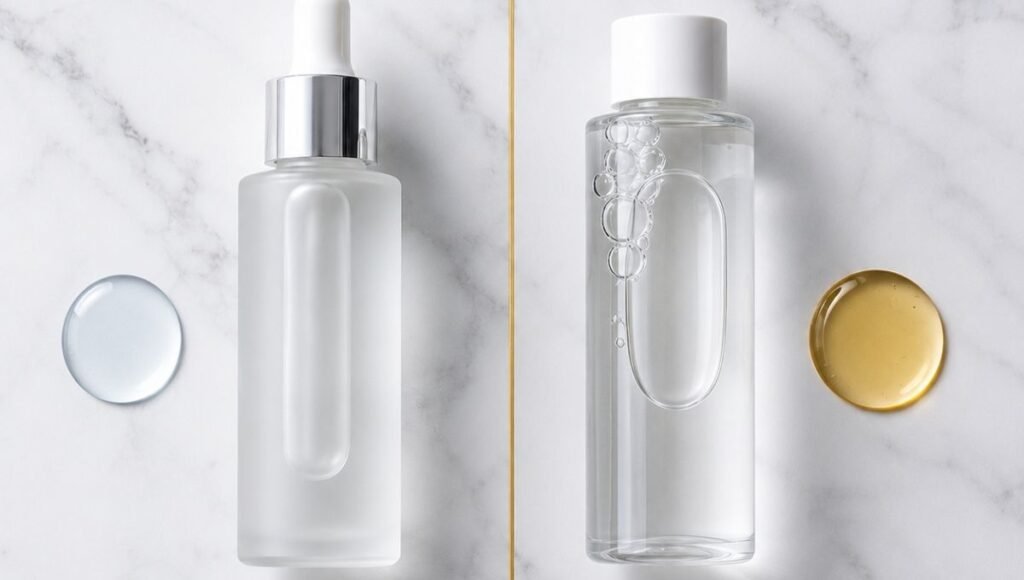
Azelaic acid vs salicylic acid is one of the most searched comparisons in skincare — and the most common framing of the question (“which is better?”) misses the point. These two ingredients work at different levels of the skin and address different components of the concerns they are associated with.
Salicylic acid (BHA): Oil-soluble. Penetrates through the lipid-rich follicular canal, dissolving the sebum and keratin plugs that cause comedones (blackheads, whiteheads) from within. Effective for congestion-type skin texture, fungal folliculitis (in combination with its antifungal properties), and surface exfoliation. Photosensitising at higher concentrations. Can be drying for barrier-compromised mature skin.
Azelaic acid: Water-soluble. Works at the melanocyte level and on the surface of the follicular opening. Effective for pigmentation, redness, rosacea, and the bacterial component of inflammatory breakouts. Not photosensitising. Appropriate for sensitive, reactive, and barrier-compromised mature skin.
The practical distinction for mature skin:
If the primary concern is clogged pores, blackheads, and congestion-type bumps → salicylic acid is more directly targeted. If the primary concerns are dark spots, redness, rosacea, and post-blemish marks → azelaic acid is more directly targeted. If both are present → they can be used together in different sessions (salicylic acid 1–2 evenings per week for congestion management; azelaic acid daily for pigmentation and redness).
They are not competitive — they are complementary actives addressing different aspects of the same skin concerns.
How to Use Azelaic Acid — Protocol for Mature Skin
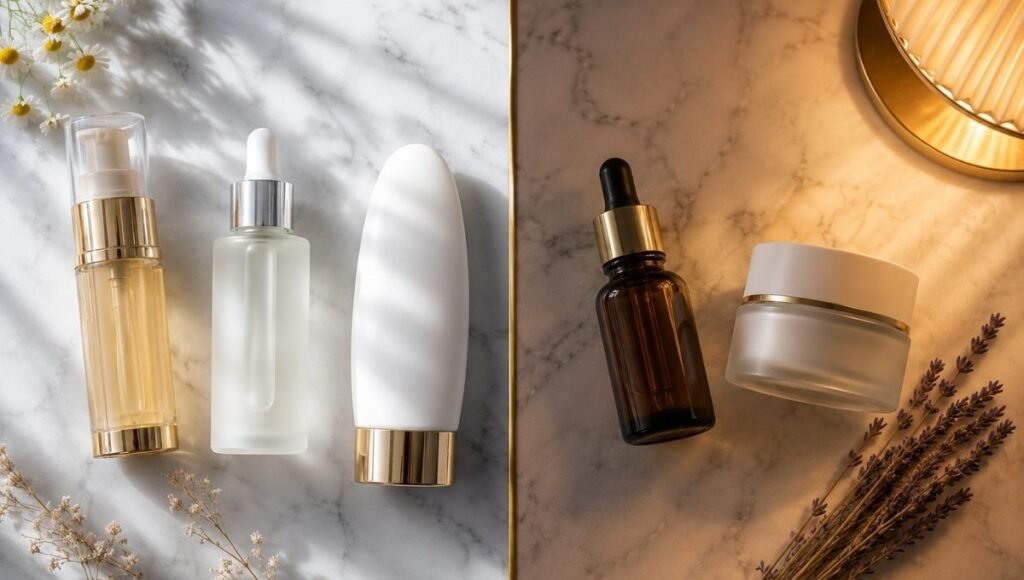
Application timing: Morning, evening, or both — azelaic acid is not photosensitising, which means it does not increase UV sensitivity and is appropriate for morning application under SPF without the timing constraints of L-ascorbic acid or retinoids.
Starting frequency: For reactive or barrier-compromised mature skin, begin with once daily (evening) for the first two weeks. If well-tolerated, add morning application from week three. Most skin tolerates twice-daily application from the outset, but mature skin that is simultaneously managing other actives benefits from a gentler introduction.
Application sequence in the morning routine: Vitamin C serum → allow 60–90 seconds → azelaic acid treatment → niacinamide moisturiser → SPF 30+
Application sequence in the evening routine: Cleanse → azelaic acid (on non-retinoid evenings) → ceramide moisturiser Or on retinoid evenings: retinol → ceramide moisturiser (azelaic acid reserved for morning)
The minimal effective routine (5 minutes): Azelaic acid in the morning → SPF. This single-step active approach provides tyrosinase inhibition, anti-inflammatory protection, and mild surface renewal with the simplest possible layering commitment — appropriate for reactive skin that cannot manage a full multi-step routine while stabilising.
The “nothing is working” intervention: If dark spots or redness are not visibly improving after 10–12 weeks of consistent once-daily azelaic acid at 10%, consider: (1) upgrading to a 15% formulation if accessible OTC in your market; (2) consulting a dermatologist for prescription 20%; (3) adding niacinamide to address the melanosome transfer pathway that azelaic acid does not target directly; (4) ensuring SPF is applied daily — azelaic acid’s tyrosinase inhibition is partially counteracted by ongoing UV-triggered melanogenesis without consistent photoprotection.
Azelaic Acid with Retinol, Vitamin C, and Niacinamide — What to Layer
Azelaic acid + Vitamin C: Complementary mechanisms — VC’s tyrosinase inhibition through substrate competition + azelaic acid’s competitive tyrosinase inhibition through direct enzyme interaction. Both are appropriate for brightening but through slightly different pathways. Best used at different times of day: Vitamin C in the morning (antioxidant UV protection + tyrosinase inhibition during UV hours), azelaic acid in the evening (sustained tyrosinase inhibition without photosensitivity concern). Both can be used in the morning together if preferred — the pH difference is manageable, though applying VC first and allowing full absorption is the cleaner approach.
Azelaic acid + niacinamide: The most compatible brightening combination for mature skin. Niacinamide addresses the melanosome transfer step — the downstream movement of melanin from melanocytes to keratinocytes — while azelaic acid addresses the upstream tyrosinase synthesis step. Together, they interrupt the pigmentation pathway at two separate points. Both are well-tolerated, both are anti-inflammatory, and they can be applied in the same session without concerns.
For the complete niacinamide science including clinical evidence for melanosome transfer inhibition, see our guide to niacinamide skincare [→ /niacinamide-skincare/].
Azelaic acid + retinol: Use on alternating evenings rather than on the same evening. Retinol accelerates cellular turnover (clearing pigmented cells) and stimulates collagen synthesis; azelaic acid provides tyrosinase inhibition and anti-inflammatory activity. Both address different stages of the pigmentation and skin quality problem. Using them on alternate evenings means neither is being applied to skin already compromised by the other’s adjustment phase effects — particularly relevant for mature skin where barrier resilience is lower.
For mature skin that finds retinol difficult to tolerate, azelaic acid is an appropriate morning companion while retinol is introduced gradually in the evening. See our guide to retinol for sensitive skin for the complete sensitive skin retinoid protocol [→ /retinol-for-sensitive-skin/].
Azelaic Acid Products — The 10% OTC vs 20% Prescription Decision
The practical question most women have about azelaic acid is not about mechanism — it is about access. Do I need a prescription, or can OTC products get me there?
The honest answer for mild-to-moderate concerns: At 10% OTC, consistent azelaic acid use produces meaningful improvement in mild-to-moderate dark spots, rosacea-related redness, and post-inflammatory marks over 8–12 weeks. The 2025 PMC research into nanoformulation technology suggests that advanced delivery systems in premium OTC formulations may narrow the efficacy gap with prescription 20% significantly — making formulation quality as important as stated concentration.
When to consider moving to 15–20%: If 10% OTC has been used consistently for 12 weeks without meaningful improvement in the target concern; if rosacea is moderate-to-severe (more than occasional flushing and scattered papules); if melasma is resistant or has not responded to OTC concentrations; or if a dermatologist has assessed the concern and recommended prescription-strength management.
What a premium OTC azelaic acid formulation should offer: Clear stated concentration (10% minimum). Fragrance-free. Stable formulation in appropriate vehicle (gel for normal-oily, cream-serum for dry and mature). Absence of potentially irritating preservatives or unnecessary actives that compete for the same pathways.
When Azelaic Acid Needs Professional Support
The vast majority of azelaic acid applications — OTC concentrations for dark spots, rosacea management, PIH — are appropriate for self-directed use. Several situations warrant dermatological consultation:
Rosacea that is progressing despite consistent 10% OTC azelaic acid use over 12 weeks. Prescription 15% or 20% may be appropriate, or combination therapy (azelaic acid + oral antibiotic or vascular-targeting treatments) may be recommended.
Melasma that has not responded to 16 weeks of consistent brightening routine including azelaic acid. Prescription triple combination (tretinoin + hydroquinone + corticosteroid) or in-office treatments may be more effective for resistant melasma.
Sudden new pigmentation changes — including rapidly growing lesions, lesions with irregular borders or multiple colours — always warrant prompt dermatological assessment to rule out melanocytic concerns before initiating topical brightening management.
FAQ
What are the main azelaic acid benefits for mature skin? Four primary benefits, all operating simultaneously: selective dark spot fading through tyrosinase inhibition (targets hyperactive melanocytes without lightening normal skin), rosacea and redness management through anti-inflammatory activity, reduction of post-inflammatory hyperpigmentation through combined tyrosinase inhibition and inflammatory pathway suppression, and mild surface renewal through keratolytic activity. For mature skin managing multiple simultaneous concerns, this four-in-one profile makes it the most strategically efficient single active available OTC.
How long does azelaic acid take to work? Surface redness reduction from anti-inflammatory activity: 2–4 weeks of consistent use. Dark spot fading: 8–12 weeks minimum for visible improvement. Melasma: 12–16 weeks at 20%, longer at lower concentrations. Post-inflammatory hyperpigmentation: 8–10 weeks. The minimum evaluation timeline is 10–12 weeks — consistent with the cellular turnover cycle of mature skin where pigmented cells take longer to be replaced.
Is azelaic acid safe to use every day? Yes — azelaic acid is one of the most consistently well-tolerated brightening actives for daily use. It can be applied morning and evening without photosensitivity concerns. For skin introducing it alongside other actives, beginning with once daily (evening) and building to twice daily after two weeks of confirmed tolerance is a conservative approach, particularly appropriate for reactive or barrier-compromised mature skin.
Azelaic acid vs salicylic acid — which is better for mature skin? Neither is universally better — they address different aspects of skin concerns. Salicylic acid (oil-soluble BHA) penetrates the follicular canal to clear congestion and comedones. Azelaic acid (water-soluble) targets melanocytes for pigmentation and reduces rosacea-related inflammation. For mature skin where dark spots, redness, and post-blemish marks are the primary concerns, azelaic acid is more directly targeted. If comedonal congestion is also present, both can be used on alternating sessions without competition.
Is azelaic acid good for sensitive skin? Yes — it is one of the few active brightening and anti-inflammatory ingredients specifically recommended for reactive, sensitive, and rosacea-prone skin. Its anti-inflammatory mechanism makes it appropriate for skin that would be further irritated by AHAs or high-concentration L-ascorbic acid. For sensitive mature skin that cannot tolerate most actives, azelaic acid plus niacinamide is the most appropriate starting brightening combination.
Can I use azelaic acid with retinol? Yes, but on alternating evenings rather than on the same evening. Retinol evenings: cleanse → retinol → ceramide moisturiser. Azelaic acid evenings: cleanse → azelaic acid → ceramide moisturiser. In the morning, azelaic acid can be used alongside vitamin C and niacinamide without concern, as it is not photosensitising.
The Ingredient That Does the Work Quietly
Azelaic acid does not have the dramatic immediate effect of a peel or the visible skin change of a retinoid adjustment phase. It works gradually, consistently, and without the reactive period that most potent actives require. For women over 40 managing the overlapping concerns of dark spots, redness, and post-blemish marks simultaneously, this quiet consistency is not a limitation — it is precisely what mature, barrier-sensitive skin responds to best.
The four-mechanism profile — tyrosinase inhibition, antibacterial activity, anti-inflammatory action, mild keratolysis — means it is always doing something useful regardless of which concern is most prominent at any given moment. In a skin period where concerns multiply and change, azelaic acid benefits accrue in the background of a routine, reliably and without demanding the attention that more aggressive actives require.
For the complete brightening routine that places azelaic acid alongside vitamin C, niacinamide, and retinol in their correct timing and sequence, see our guide to brightening serum for mature skin [→ /brightening-serum/].
For the complete mature skin routine that situates these brightening actives within the broader anti-aging framework, see our guide to skincare for women over 40 [→ /skincare-for-women-over-40/].
References
- PMC10809820. The multiple uses of azelaic acid in dermatology: mechanism of action, preparations, and potential therapeutic applications. PMC / PubMed Central, 2024.
- PMC12472904. A Comprehensive Review of Azelaic Acid Pharmacological Properties, Clinical Applications, and Innovative Topical Formulations. Pharmaceuticals (MDPI), 2025.
- PMID 14623704. Comparative study of azelaic acid gel vs metronidazole gel in papulopustular rosacea. Journal of Dermatological Treatment, 2003.
- Pillaiyar, T., et al. (2017). An overview of melanogenesis and its multifaceted approach of skin-whitening/brightening agents. European Journal of Medicinal Chemistry, 135, 737–765.
- Ganceviciene, R., et al. (2012). Skin anti-aging strategies. Dermato-Endocrinology, 4(3), 308–319.
- Hughes, M.C.B., et al. (2013). Sunscreen and prevention of skin aging. Annals of Internal Medicine, 158(11), 781–790.