
There is a particular morning — most women can roughly date it — when the routine that has served them reliably for years simply stops working. Not dramatically. Not with any single visible change that could be pointed to and addressed. Just a quiet shift: the moisturiser that previously made skin look genuinely hydrated is now making it look comfortable without looking luminous. The serum that once seemed to deliver visible results is now maintaining a status quo that feels, somehow, slightly less than it was. The skin is still healthy. But something in its behaviour has changed.
This is not the routine failing. This is the skin changing — in specific, measurable, biological ways — and the routine not yet having caught up.
Skincare for women over 40 is not about adding more products or chasing more aggressive treatments. It is about understanding precisely what has changed in the skin’s biology, and choosing the interventions that address those changes directly. Some of what you’re currently doing is still exactly right. Some of it needs to evolve. And some categories of investment that seemed optional in your 30s have now become genuinely foundational.
This guide gives you the complete picture — the science, the routine architecture, the ingredient priorities, and the honest assessment of where luxury skincare actually earns its place after 40.
Key Takeaways
- According to the American Academy of Dermatology, sun protection is the single most evidence-backed anti-aging intervention available without a prescription. Daily broad-spectrum SPF 30+ is foundational to every other anti-aging investment — it prevents the UV-induced collagen breakdown that undoes the structural repair that actives are trying to achieve.
- Collagen production begins declining at approximately 1% per year from the mid-20s, but the visible effects typically reach a threshold of visibility in the mid-to-late 30s and accelerate in the 40s. By menopause, research documents up to 30% of dermal collagen lost in the first five post-menopausal years.
- The skin’s cellular turnover rate slows from approximately 28 days in your 20s to 45–60 days in your 40s, meaning products sit on a more accumulated surface, actives penetrate less efficiently, and surface renewal requires more deliberate support.
- Retinoids remain the most comprehensively researched anti-aging topical active — stimulating collagen synthesis, accelerating cellular turnover, and partially inhibiting the enzymes that break down existing structural proteins. Their evidence base spans decades and hundreds of trials.
- In luxury skincare, the categories with the most functionally justified premium after 40 are: Vitamin C serums (stability and packaging technology), retinoid formulations (encapsulation and delivery), and ceramide moisturisers (multi-ceramide ratio and barrier support quality).
How Skin Changes After 40 — The Biology Behind the Shift
Understanding what is actually happening in the skin changes everything about how you respond to it. There is no single “aging” event. There is a convergence of several simultaneous biological shifts, each happening at its own pace, each responding to different interventions.
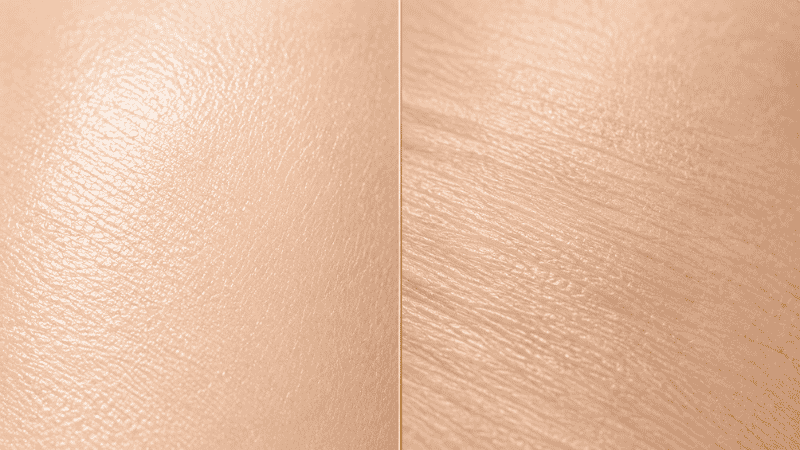
Collagen and elastin decline. Collagen production — which began its gradual 1% annual decline in the mid-20s — reaches a threshold in the early 40s where the loss becomes structurally visible. The dermis thins. Skin feels less resilient when pressed. Lines that were previously dynamic (visible only during expression) become static (visible at rest). This process is compounded by decades of UV-activated matrix metalloproteinases (MMPs) breaking down existing collagen — which is why sun-protected skin in the 40s looks so markedly different from unprotected skin at the same age.
Cellular turnover slows. The skin’s natural renewal cycle — the process of generating new keratinocytes at the base of the epidermis and shedding old ones at the surface — extends from approximately 28 days in your 20s to 45–60 days by your 40s. This means surface cells accumulate for longer before shedding, contributing to the dullness and uneven texture that many women notice. It also means active ingredients penetrate through a thicker layer of accumulated dead cells to reach their targets.
Sebum production decreases. The sebaceous glands produce progressively less sebum from the late 20s onwards. By the 40s and 50s, the natural lipid film that protected the stratum corneum, prevented moisture loss, and contributed to a naturally dewy complexion is significantly reduced. The skin that “always looked dry” from your 30s onward was often responding to this sebum decline — not to dehydration in the humectant sense.
Barrier function declines. The stratum corneum’s lipid matrix — ceramides, cholesterol, and free fatty acids — becomes less complete as ceramide synthesis slows and sebum contributes less to surface protection. The barrier that managed environmental stressors, retained moisture, and tolerated active ingredients with relative ease in your 30s now requires more deliberate support.
Hormonal changes alter skin behaviour. From perimenopause onwards — which can begin anywhere from the early 40s to mid-50s — declining oestrogen directly impacts skin biology. Oestrogen supports collagen synthesis, skin hydration, barrier function, and fibroblast activity. As levels fluctuate and decline, women often notice increased dryness, reduced skin elasticity, accelerated fine line formation, and sometimes a new sensitivity in previously resilient skin.
Each of these shifts calls for a specific response. A routine that addresses all of them is not complicated — but it is precise.
Skincare Routine for Aging Skin — The Non-Negotiable Foundation
Before any luxury investment or active ingredient discussion, the American Academy of Dermatology is unequivocal: the foundation of every effective anti-aging plan is built on consistent habits, not products. Years of research supports each of these foundational practices.
Daily broad-spectrum SPF 30 or higher. UV exposure is responsible for an estimated 80–90% of visible skin aging — the lines, spots, and textural changes that accumulate visibly are predominantly photodamage, not chronological aging. A randomised controlled trial published in Annals of Internal Medicine documented that consistent daily sunscreen use measurably slowed the development of photoaging over four and a half years. No serum, no retinoid, no luxury moisturiser compensates for ongoing UV-induced collagen breakdown. SPF is the intervention that makes all other interventions more effective.
Gentle, pH-appropriate cleansing. Over-cleansing with harsh, high-pH, or sulphate-containing cleansers strips the barrier lipids that mature skin is already producing less of. Twice-daily cleansing with a gentle, fragrance-free cleanser — and water only on mornings when no SPF or makeup was worn — preserves the barrier that all other products depend on.
Consistent hydration. Mature skin cannot rely on sebum for surface protection the way younger skin can. A ceramide-containing moisturiser applied twice daily — morning and evening — provides the lipid barrier support that the skin’s own diminished production no longer adequately supplies.
Not smoking. The dermatological evidence on smoking and skin aging is unequivocal. Nicotine constricts dermal blood vessels, directly reducing the oxygen and nutrient delivery to fibroblasts. Cigarette smoke chemicals activate MMPs. No skincare routine can outperform the collagen breakdown that chronic smoking produces.
These habits form the baseline. Everything else in this guide is built on top of them.
For a science-led deep dive into the skincare routine architecture that serves as the broader framework for this guide, see our comprehensive guide to the skincare routine for aging skin [→ /skincare-routine-for-aging-skin/].
The Luxury Skincare Routine for Your 40s — Morning Step by Step
The morning routine’s purpose is protection: defending the skin and its collagen against the day’s UV radiation, environmental pollution, and oxidative stress. Every step serves this overriding function.
Step 1: Gentle cleanse (or water rinse on mornings after a thorough evening routine). The goal is a clean surface without barrier disruption. Fragrance-free, sulphate-free, pH-balanced.
Step 2: Vitamin C serum. Applied to clean, dry skin — allow 60–90 seconds to absorb before the next step. L-ascorbic acid at 10–20% in an airless, opaque packaging provides antioxidant protection against UV-induced free radical damage (real-time, not retrospective), collagen synthesis cofactor support, and tyrosinase inhibition for more even tone. This is one of the two morning steps with the strongest evidence-based anti-aging rationale. For the complete Vitamin C application protocol, including why morning is the only strategic time, see our guide to how to use vitamin c serum [→ /how-to-use-vitamin-c-serum/].
Step 3: Hydrating serum (HA/peptides). After Vitamin C has absorbed, apply a hyaluronic acid or peptide serum to skin that is slightly damp. HA attracts moisture to the surface; peptides provide collagen-stimulating signalling. For the complete science of peptides in the morning routine, see our guide to what peptides do for skin [→ /what-do-peptides-do-for-skin/].
Step 4: Ceramide moisturiser. The sealing step. Applied within 30–60 seconds of the HA serum, before surface moisture evaporates. Look for ceramide NP, AP, and EOP — the three physiological ceramide types with the strongest barrier repair evidence — alongside niacinamide at 4–5% for its barrier-strengthening and brightening complement. This is one of the categories where a well-formulated luxury option provides genuinely superior barrier support to a basic alternative. For the complete ceramide science, see our guide to ceramides moisturizer [→ /ceramides-moisturizer/].
Step 5: SPF 30+ broad-spectrum, mineral preferred for mature skin. The final morning step, non-negotiable. Titanium dioxide and zinc oxide combined provide full-spectrum UVA and UVB coverage, begin working immediately upon application, and do not degrade under UV exposure. Applied generously — approximately ¼ teaspoon for face and neck. For the complete SPF science for mature skin, see our guide to titanium dioxide sunscreen [→ /titanium-dioxide-sunscreen/].
Total time: 8–12 minutes. This is the morning routine with the strongest evidence base for preserving collagen and preventing the ongoing UV-induced degradation that counteracts everything done in the evening.
The Luxury Skincare Routine for Your 40s — Evening Step by Step
The evening routine’s purpose is repair: the skin’s peak repair cycle operates during sleep, and the actives applied in the evening work with the circadian rhythm of cellular renewal.
Step 1: Double cleanse (if SPF and/or makeup were worn). Oil-based cleanser first, to dissolve sunscreen and makeup without stripping. Water-based gentle cleanser second to complete. If no SPF or makeup, single gentle cleanse suffices.
Step 2: Wait for skin to fully dry. 20–30 minutes, or active drying with a clean towel. This is the step most people skip, and it meaningfully affects retinoid tolerance. Retinol applied to damp skin penetrates more aggressively, increasing irritation without proportional efficacy benefit.
Step 3: Retinoid (the evening’s primary active). A pea-sized amount for the full face. Begin at 0.025–0.05% retinol every third night; build gradually over 8–12 weeks to nightly use at 0.1%+ as tolerance develops. Retinoids are the most comprehensively evidence-backed topical anti-aging actives available without prescription — stimulating collagen synthesis, accelerating cellular turnover, and partially inhibiting MMP activity. The adjustment period is real, and the protocol matters. For the complete retinoid introduction protocol, timeline, and concentration guidance, see our guide to how long retinol takes to work [→ /how-long-does-retinol-take-to-work/].
Step 4: Ceramide moisturiser (buffering and barrier repair layer). Applied over retinol — either immediately after absorption (60–90 seconds) for adapted skin, or using the sandwich protocol (moisturiser → retinol → moisturiser) for skin still in the adjustment phase. This step is not optional when using retinoids: it repairs the barrier disruption of the adjustment phase and makes consistent nightly retinoid use sustainable.
Step 5: Face oil (optional, highly recommended for mature and dry skin). Squalane or marula as a final occlusive seal — applied after moisturiser, pressed gently into skin. For dry or post-menopausal skin experiencing significant lipid loss, this final step meaningfully improves overnight hydration retention.
On non-retinoid evenings (2× per week): Replace retinol with a glycolic acid toner (applied after cleansing, 5–10 minute window before next steps) for surface renewal support that complements the retinoid’s deeper work without compounding irritation on the same nights.
Skincare for Perimenopausal Skin — The Hormonal Shift Explained
This chapter exists because perimenopause creates a skin shift that most skincare content treats as simply “more aging” when it is, in fact, a specific biological event with specific implications for routine design.
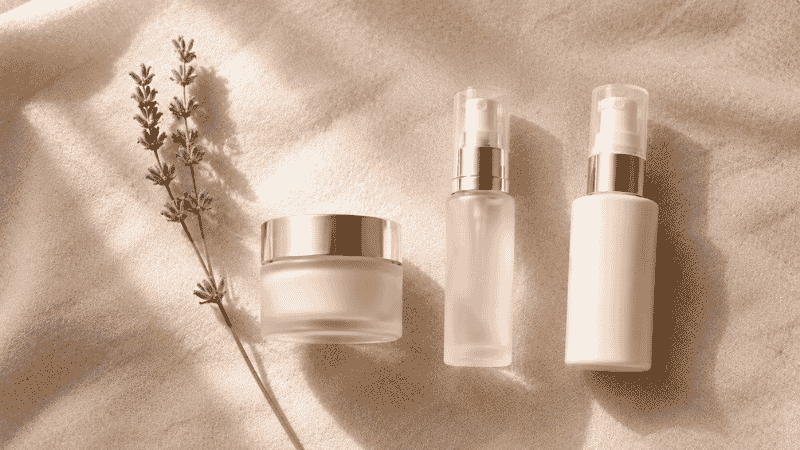
Oestrogen plays direct roles in skin biology: it stimulates fibroblast activity (collagen and elastin production), supports ceramide synthesis (barrier integrity), enhances hyaluronic acid synthesis (skin hydration), and maintains the thickness of both the epidermis and dermis. When oestrogen levels begin the fluctuation and eventual decline of perimenopause — typically beginning anywhere from the early 40s to mid-50s — skin responds to these reductions across all of these dimensions simultaneously.
The perimenopausal skin presentation:
- Accelerated dryness that does not respond to the same moisturisers that previously worked
- Increased sensitivity in previously resilient skin
- More pronounced fine line development in short time periods
- A loss of the skin’s characteristic “volume” that cannot be attributed to any single visible change
- Occasional hormonal acne patterns even in women who never experienced acne
- More significant post-inflammatory hyperpigmentation from minor skin events
Routine adjustments for perimenopausal skin:
Upgrade the moisturiser. The lightweight ceramide cream that worked at 42 may need to become a richer, ceramide + cholesterol + fatty acid formulation by 48 — matching the greater lipid deficit with a more complete lipid replacement. Cream formulations consistently outperform gel or lotion formats at this stage.
Introduce bakuchiol as a morning complement. For skin experiencing increased sensitivity alongside the perimenopausal shift — finding retinol harder to tolerate than it once was — bakuchiol applied in the morning provides a complementary collagen-stimulating pathway without the photosensitivity or adjustment period. The morning slot is where retinol cannot go; bakuchiol fills it genuinely.
Consider niacinamide at 4–5% twice daily. Niacinamide directly stimulates ceramide synthesis — supporting the barrier from within, at the same time that topical ceramides support it from without. For perimenopausal skin managing simultaneous dryness, occasional sensitivity, and hyperpigmentation concerns, niacinamide addresses all three dimensions. For the complete niacinamide guide, see our article on niacinamide skincare [→ /niacinamide-skincare/].
Reduce exfoliation frequency temporarily. If glycolic acid or retinol has become noticeably less well-tolerated during a period of hormonal flux, this is a normal perimenopausal response — not a sign that the actives no longer work. Reduce frequency by one session per week, maintain barrier support, and reassess after 4–6 weeks.
Skincare Routine for Mature Skin in Your 50s — What Changes
The routine architecture for skin in the 50s shares the same foundational principles as the 40s — SPF, retinoid, Vitamin C, ceramides — but several specific adjustments reflect the biology of post-menopausal skin.
Increase lipid delivery. Post-menopausal skin has typically reached a point where sebum production alone cannot support comfortable surface moisture. The ceramide moisturiser that was sufficient at 45 may need supplementing with a face oil as a standard evening step (not occasional). Squalane — the skin-identical lipid that mimics natural sebum — is the most logical choice: it provides what the sebaceous glands are producing less of, without risk of comedogenicity.
Consider prescription retinoids. If you have been on OTC retinol consistently for 2+ years and are seeking more significant structural improvement, a dermatologist consultation for prescription tretinoin is a reasonable progression. Tretinoin bypasses the enzymatic conversion steps of OTC retinol, producing results at a faster timeline and with more significant structural impact — with a correspondingly more pronounced adjustment period.
Simplify without sacrificing. Some women in their 50s find that a simplified routine — fewer total products, each doing more — performs better than the same complexity that served them in their 40s. The barrier is less resilient; too many actives in close succession can compromise it. The non-negotiables (SPF, retinoid, Vitamin C, ceramide moisturiser) can comprise a complete and effective routine without further addition.
Address the neck and décolletage. These areas receive the same UV exposure as the face but are typically excluded from SPF and active product application. Post-menopausal skin on the neck loses collagen at the same rate as the face; treating it as an afterthought produces visible asymmetry between face and neck that even the most effective facial routine cannot compensate for.
Luxury Skincare Routine — Where to Invest, Where to Save
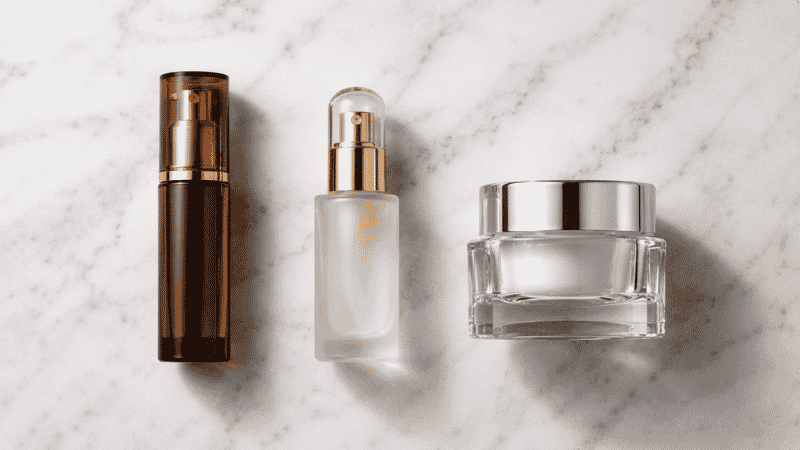
The question of where luxury skincare is functionally justified versus where it is primarily experiential is one that deserves a direct answer — particularly for women over 40 who are making increasingly considered product investments.
Invest in luxury here:
Vitamin C serums. Stability technology, airless opaque packaging, ferulic acid stabilisation — these are functional differences that directly affect whether the L-ascorbic acid in your serum is still active when it reaches your skin. A $120 Vitamin C serum in nitrogen-purged airless packaging may deliver meaningfully more functional active than a $25 equivalent in clear glass. This is one of the most evidence-supported cases for the luxury premium.
Retinoid formulations. Encapsulation technology (time-release microspheres) dramatically reduces retinol adjustment-phase irritation while maintaining efficacy. For mature skin with a less robust barrier, the difference between a budget retinol and a luxury encapsulated retinaldehyde formulation can be the difference between tolerable and unsustainable.
Ceramide moisturisers. The ratio and purity of ceramide NP/AP/EOP, the presence of cholesterol and fatty acids in physiological proportions, the absence of fragrance and destabilising ingredients — these are factors where luxury formulations more reliably deliver. That said, CeraVe’s budget-appropriate ceramide formulations are a genuinely credible exception at the lower price point.
Save without meaningful compromise:
Cleansers. Thirty seconds of contact before rinsing. A pH-appropriate, gentle, fragrance-free cleanser is sufficient regardless of price.
Basic SPF (physical). Zinc oxide and titanium dioxide provide the same protection at every price point. The luxury premium buys better texture and aesthetics — worth it if it makes you more likely to apply it consistently and generously, not worth it if you’re paying purely for photoprotection.
Hyaluronic acid. Pure HA at appropriate concentration performs equivalently across price points. The luxury argument here is for multi-weight HA in sophisticated formulations with supporting actives — not for HA alone.
For the full science behind each of these investment categories, see our dedicated ingredient guides: how to use vitamin c serum [→ /how-to-use-vitamin-c-serum/], ceramides moisturizer [→ /ceramides-moisturizer/], and our complete guide to how to stimulate collagen production [→ /how-to-stimulate-collagen-production/].
The Layering Logic — How to Put It All Together
One of the most common sources of confusion in mature skin routines is layering — what goes where, in what order, and how to avoid the compounding irritation that sends women back to a drawer full of expensive products they can’t use.
The foundational principle is simple: thinnest to thickest, lowest pH to highest, actives before occlusives. For the complete layering guide with every product category in the precise sequence, our article on serum before or after moisturizer covers the architecture in comprehensive detail [→ /serum-before-or-after-moisturizer/].
The 40+ specific layering principle: never use your two most potent actives (retinoid and AHA) on the same evening. Alternate: glycolic acid toner 2 evenings per week, retinoid 3 evenings, and 2 rest evenings with only cleanse and ceramide moisturiser. This weekly rhythm allows each active to work without compounding barrier disruption.
When Your Skincare Routine Stops Working
This section is for the moment — which most women over 40 encounter at some point — when a routine that worked has stopped producing visible results, and the instinct is to add more products.
Stop adding. Audit first.
Oxidised Vitamin C? If your VC serum has shifted colour beyond pale yellow, it is providing minimal antioxidant protection. Replace it before concluding the category doesn’t work for your skin.
Retinoid concentration plateau? If you have been using the same 0.025% retinol for 18 months, your skin has adapted — the stimulus is no longer sufficient for the results you’re seeking. Increase concentration under the guidance of our retinoid protocol.
SPF gap? Retinoids and Vitamin C cannot outperform ongoing daily UV-induced collagen breakdown. If SPF is inconsistent, the morning antioxidant investment and the evening structural repair investment are partially cancelled out by the UV exposure in between.
Over-exfoliation barrier disruption? If skin is reactive, tight, and sensitised to products it previously tolerated, you may have exceeded the barrier’s capacity through too many exfoliant sessions per week. Strip back to cleanse and ceramide moisturiser for 4–6 weeks before reintroducing actives one at a time.
The goal is not a more complex routine. It is a more precisely executed one.
When to Seek Professional Guidance
A well-designed luxury skincare routine for women over 40 produces genuine, measurable improvement in skin quality over months and years. There are circumstances where professional input meaningfully extends what is achievable.
Consider a dermatologist consultation if: you’ve maintained a consistent, well-formulated retinoid routine for 12+ months without visible improvement (prescription tretinoin may be the appropriate next step); if you are experiencing significant, rapid skin changes associated with perimenopause that are not responding to the adjustments described above; if you are interested in in-office treatments (laser resurfacing, radiofrequency, microneedling) that produce structural improvements beyond what topical skincare can achieve; or if any skin lesion changes — always warranting prompt evaluation regardless of skincare context.
FAQ
What skincare should women over 40 prioritise if they can only do three things? Daily broad-spectrum SPF 30+, a consistent retinoid (starting low and building gradually), and a ceramide-containing moisturiser applied morning and evening. These three, done consistently, address the primary causes of visible skin aging — UV-induced collagen breakdown (SPF), structural renewal slowdown (retinoid), and barrier lipid decline (ceramide moisturiser) — more effectively than any more complex routine done inconsistently.
When do skincare needs change the most for women — 40, 45, or 50? The transition at perimenopause is the most significant single shift — which can occur at any point from the early 40s to mid-50s. The visible skin changes associated with oestrogen decline (accelerated dryness, reduced elasticity, barrier sensitivity) often feel sudden because they coincide with a rapid hormonal shift rather than the gradual decline of chronological aging. Adjusting the routine to prioritise richer lipid delivery and ceramide support during this transition produces more responsive results than continuing with the pre-perimenopausal approach.
Is it too late to start a retinoid routine in your 50s? No — there is no age at which beginning a retinoid routine is without benefit. Research demonstrates that skin at 50 and 60 responds to retinoid-stimulated collagen synthesis; the timeline for visible results is the same (12–16 weeks minimum), and the structural improvements compound over 12–24 months of consistent use. Starting at 55 produces better outcomes at 60 than not starting at all.
Can skincare for women over 40 reverse existing skin aging, or only prevent further aging? Both, to different degrees. Prevention (particularly UV protection) is more powerful than correction. But retinoids have demonstrated genuine structural improvement — increased collagen density, improved skin organisation — in skin at every age studied. The magnitude of reversal is more modest than the magnitude of prevention; the most dramatic impact on long-term skin quality comes from starting early and being consistent, rather than from aggressive late-start correction.
What luxury skincare products are actually worth it for women over 40? The categories with the most functionally justified premium are Vitamin C serums (stability technology), retinoid formulations (encapsulation and delivery), and, depending on formulation quality, ceramide moisturisers. SPF, cleansers, and pure hyaluronic acid are categories where mid-range products perform comparably to luxury alternatives at equivalent concentrations.
How does skincare for women over 50 differ from the over-40 approach? The foundational routine remains the same (SPF, retinoid, Vitamin C, ceramide moisturiser), but several adjustments reflect post-menopausal biology: richer lipid delivery (ceramide + facial oil as a standard step), possible progression to prescription retinoids, reduced total product complexity to protect a less resilient barrier, and consistent inclusion of the neck and décolletage in every active product application.
The Routine That Evolves With You
Skincare for women over 40 is not a fixed destination — it is a framework that adapts as the biology changes. The foundation (SPF, retinoid, Vitamin C, ceramide moisturiser) remains consistent across the 40s, 50s, and beyond. What changes is the richness, the frequency, and the precise calibration to where the skin is, biologically, at each stage.
The most effective luxury skincare routine is not the most expensive one. It is the most precisely chosen one — each product addressing a specific biological need, applied in a sequence that allows each ingredient to function optimally, maintained with the consistency that allows the skin’s own biology to respond.
For the complete science behind the individual ingredients mentioned in this guide, our ingredient series provides the detailed evidence for each category:
- Retinoids and timeline: how long retinol takes to work [→ /how-long-does-retinol-take-to-work/]
- Collagen stimulation: how to stimulate collagen production [→ /how-to-stimulate-collagen-production/]
- Vitamin C application: how to use vitamin c serum [→ /how-to-use-vitamin-c-serum/]
- Peptides for mature skin: what peptides do for skin [→ /what-do-peptides-do-for-skin/]
- Barrier repair: ceramides moisturizer [→ /ceramides-moisturizer/]
- Niacinamide: niacinamide skincare [→ /niacinamide-skincare/]
- SPF science: titanium dioxide sunscreen [→ /titanium-dioxide-sunscreen/]
- Layering sequence: serum before or after moisturizer [→ /serum-before-or-after-moisturizer/]
References
- Hughes, M.C.B., et al. (2013). Sunscreen and prevention of skin aging: A randomized trial. Annals of Internal Medicine, 158(11), 781–790.
- Varani, J., et al. (2006). Decreased collagen production in chronologically aged skin. American Journal of Pathology, 168(6), 1861–1868.
- Mukherjee, S., et al. (2006). Retinoids in the treatment of skin aging. Clinical Interventions in Aging, 1(4), 327–348.
- Verdier-Sévrain, S., & Bonté, F. (2007). Skin hydration: A review of its molecular mechanisms. Journal of Cosmetic Dermatology, 6(2), 75–82.
- Zouboulis, C.C., & Makrantonaki, E. (2011). Hormonal therapy of intrinsic aging. Rejuvenation Research, 15(3), 302–312.
- Ganceviciene, R., et al. (2012). Skin anti-aging strategies. Dermato-Endocrinology, 4(3), 308–319.
- American Academy of Dermatology. Skin care in your 40s and 50s. Retrieved from aad.org.